


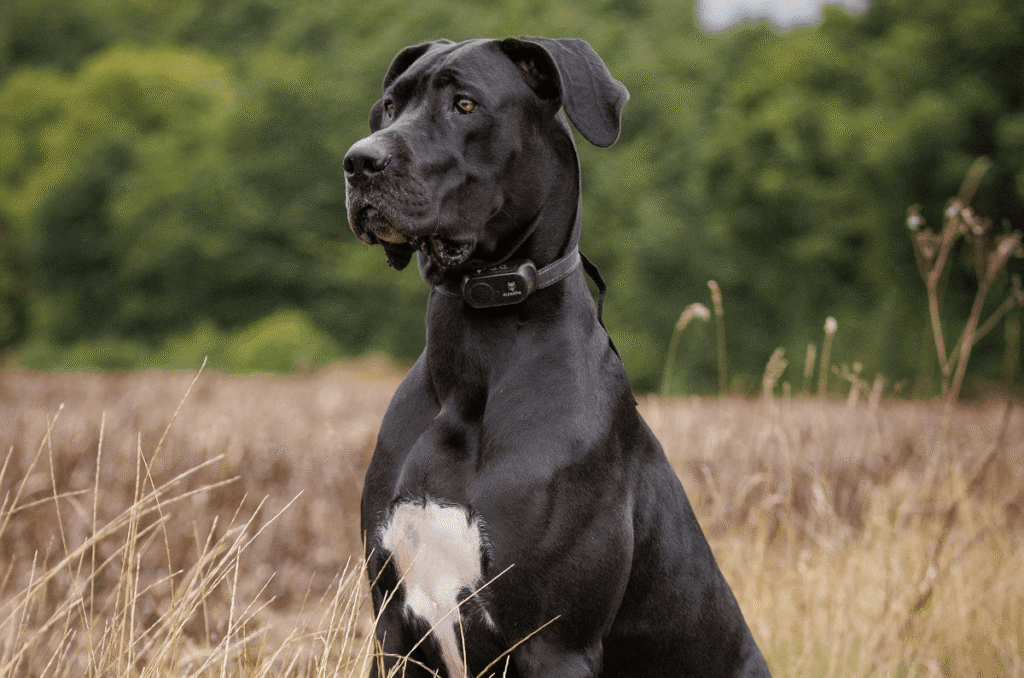
If you share your life with a large or deep-chested dog, GDV in dogs is the one condition you most need to know about — and the one that most owners have never heard of until it affects their own pet.
Gastric dilatation-volvulus, commonly called bloat or GDV, is a rapid, life-threatening emergency in which the stomach fills with gas and then rotates on itself, trapping the contents and cutting off the blood supply to surrounding organs. Without emergency surgery, it is fatal. With early intervention, survival rates are high.
This guide covers everything you need to recognize GDV in dogs, understand your pet’s risk, and act fast if it happens.
What Is GDV?
GDV happens in two stages. First, the stomach dilates — filling rapidly with gas, fluid, or food. This alone (called simple gastric dilatation) can cause significant distress but is treatable. The second stage — volvulus — is when the distended stomach rotates, sometimes 180° or more, on its axis. This twist traps the contents, cuts off blood supply to the stomach wall and spleen, and creates a rapidly escalating medical crisis.
The entire process can move from onset to critical condition within 2 to 6 hours. There is no home treatment. There is nothing you can do at home that will help.
Signs of Bloat in Dogs
The following signs warrant an immediate drive to your nearest emergency vet — not a phone call to schedule an appointment, not a wait-and-see approach:
- Unproductive retching — your dog appears to be trying to vomit, but nothing comes up. This is the single most important early warning sign of GDV.
- Distended, visibly swollen abdomen — the belly looks or feels bloated, tight like a drum.
- Extreme restlessness and inability to get comfortable — pacing, lying down, and immediately getting up
- Obvious signs of pain — hunching, guarding the abdomen, and whimpering.
- Drooling excessively without another obvious cause
- Rapid breathing or signs of cardiovascular distress
- Pale or white gums — a sign of shock
If you see unproductive retching combined with a distended belly, treat it as a GDV emergency immediately.
Which Dogs Are at Risk?
GDV most commonly affects large and giant breeds with deep, narrow chest cavities, where the stomach has more physical room to rotate. Breeds at highest risk include:
- Great Danes — estimated lifetime risk up to 40%, the highest of any breed
- Standard Poodles
- German Shepherds
- Weimaraners
- Doberman Pinschers
- Irish Setters
- Labrador Retrievers
That said, GDV can occur in any dog, including mixed breeds and smaller dogs, as well as cats, though it is less common. Additional risk factors include a family history of GDV, eating a large meal rapidly, exercising vigorously around mealtimes, and elevated stress or anxiety.
Prevention: What You Can Do
While GDV cannot be entirely prevented in high-risk dogs, the following measures meaningfully reduce risk:
- Feed two or three smaller meals per day rather than one large daily meal.
- Use a slow-feeder bowl if your dog eats quickly.
- Avoid vigorous exercise for at least one hour before and after eating.
- Avoid raised food bowls in large breeds — research suggests these may actually increase GDV risk.
- Discuss prophylactic gastropexy with your vet — this surgical procedure tacks the stomach to the abdominal wall, preventing rotation. It does not prevent dilatation, but it eliminates the volvulus risk. It is strongly recommended for high-risk breeds, either as a standalone procedure or at the time of spay or neuter.
What Happens at the Emergency Vet
If GDV is suspected, the vet team will work quickly to stabilize your dog while preparing for surgery. Treatment typically involves:
- IV fluids and medications to stabilize blood pressure and address shock
- Decompression — releasing the gas trapped in the stomach, usually through a tube
- Emergency surgery — untwisting the stomach, assessing tissue for damage, and performing a prophylactic gastropexy to prevent recurrence. Sometimes this includes a splenectomy, or removal of the spleen, if it is also affected.
Recovery depends on how quickly treatment was initiated and whether the stomach wall or spleen was damaged. Dogs treated early, before significant cardiovascular compromise, have much better outcomes.
GDV in dogs is one of the few conditions where knowing the signs even an hour earlier genuinely makes the difference between life and death. If you have a large or deep-chested dog, memorize the warning signs — particularly unproductive retching with a distended belly. And if you see them, go immediately.
Talk to your vet about prophylactic gastropexy if you have a high-risk breed. It is the most reliable way to prevent the most dangerous part of this condition.
If your dog is showing signs of bloat
Unproductive retching, a distended belly, extreme restlessness — drive to Fredericton Veterinary Walk-in & Urgent Care immediately and call us at 506-777-1235.