


After a summer of lake swims, river splashes, and puddle-drinking, late summer is exactly when leptospirosis in dogs becomes a real concern. This bacterial infection spreads through water contaminated by the urine of infected wildlife — and it’s far more common in New Brunswick than most pet owners realize.
Leptospirosis can cause serious, sometimes fatal kidney and liver damage. The good news: it’s preventable, and recognizing the signs early dramatically improves outcomes.
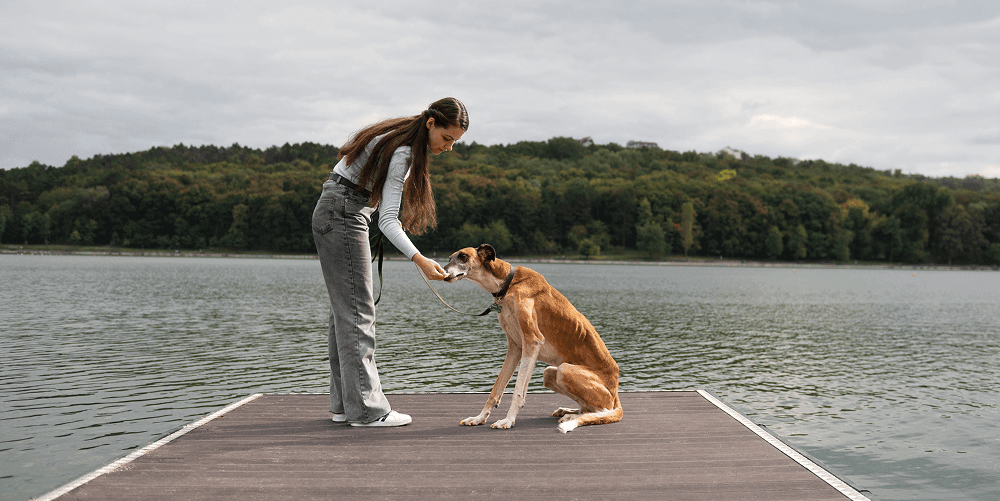
How Dogs Get Leptospirosis
Leptospira bacteria thrive in warm, stagnant water and damp soil, and are shed in the urine of infected wildlife — raccoons, skunks, rodents, and deer are all common carriers in our region. Dogs become infected by:
- Swimming or wading in contaminated lakes, ponds, or slow-moving rivers
- Drinking from puddles or standing water after rain
- Contact with soil or water where infected wildlife urine is present
- Direct contact with an infected animal
The bacteria can enter through mucous membranes or even broken skin, meaning a dog doesn’t need to drink contaminated water — simply swimming in it carries risk.
Signs of Leptospirosis in Dogs
Symptoms typically appear 4 to 12 days after exposure and can range from mild to severe:
- Lethargy and reduced appetite
- Fever
- Vomiting and diarrhea
- Increased thirst and urination — early signs of kidney involvement
- Jaundice (yellowing of the gums, eyes, or skin) — indicates liver involvement
- Muscle pain or reluctance to move
Because early signs are vague and can mimic many other illnesses, leptospirosis is often missed until kidney or liver damage is more advanced. Any dog with unexplained lethargy and increased thirst after a summer of swimming should be evaluated.
Why It’s a Same-Day Concern
Untreated leptospirosis can progress to acute kidney failure or liver failure within days. The infection is also zoonotic — meaning it can spread from dogs to humans, which makes prompt diagnosis important for the whole household, not just your pet.
Diagnosis and Treatment
Vets diagnose leptospirosis through bloodwork and specific testing for the bacteria. Treatment involves:
- Antibiotics — typically a multi-week course to clear the infection
- Supportive care — IV fluids are often needed, especially if kidney function is affected
- Hospitalization for more severe cases, with monitoring of kidney and liver values
Dogs diagnosed and treated early generally have a good prognosis. Delayed treatment significantly worsens outcomes.
Prevention: The Leptospirosis Vaccine
A leptospirosis vaccine is available and recommended for dogs with any exposure to natural water sources, rural areas, or wildlife contact — which describes most dogs in New Brunswick. The vaccine requires an initial two-dose series followed by annual boosters. Ask your vet whether your dog’s lifestyle warrants this vaccine if they aren’t already protected.
Beyond vaccination, limiting access to stagnant water and standing puddles, and rinsing your dog after swimming in natural water sources, reduces exposure risk.
Conclusion
Leptospirosis in dogs is a genuine late-summer risk in New Brunswick, particularly for dogs who spend time in lakes, rivers, and damp outdoor environments. A vaccine, awareness of the signs, and prompt vet attention for unexplained lethargy or increased thirst are your best protection.
Contact Us
If your dog has been swimming this summer and is showing lethargy, vomiting, or increased thirst, don’t wait.