


This time of year, with families gathered and kids asking “what do you want to be when you grow up” more than usual, it felt like a good moment for something a little different: an honest look at what working in veterinary medicine is actually like — for anyone considering the path, or just curious what goes on behind the exam room door.
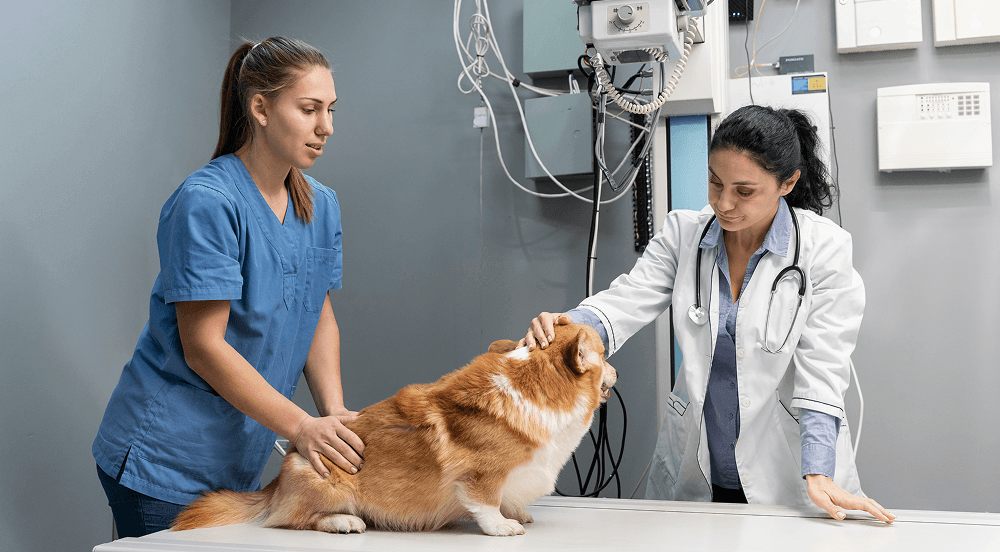
The Path to Becoming a Veterinarian
Becoming a veterinarian in Canada typically requires a bachelor’s degree (or equivalent prerequisite coursework) followed by a Doctor of Veterinary Medicine (DVM) program, which is generally four years. Admission to veterinary school is genuinely competitive — strong grades, relevant animal and veterinary experience, and a clear demonstration of commitment to the field all matter.
Veterinary technicians follow a different, shorter path — typically a two- to three-year diploma program — and play an absolutely essential role in clinics, handling everything from anesthesia monitoring to laboratory work to client education.
What the Job Actually Involves Day to Day
A misconception many people have is that veterinary work is mostly playing with puppies and kittens. The reality is a genuinely varied mix:
- Medical diagnosis and treatment planning, often with limited information since patients can’t describe their symptoms
- Surgery — from routine spays and neuters to emergency procedures
- Client communication — explaining complex medical information clearly, often during emotionally difficult moments
- Physical demands — restraining, lifting, and being on your feet for long stretches
- Continuous learning, as veterinary medicine evolves constantly
The Rewarding Parts
- Genuinely helping animals and the people who love them, often in their most vulnerable moments
- The variety — no two days look the same, and the range of species, conditions, and cases keeps the work intellectually engaging
- Long-term relationships with patients and their families, watching puppies and kittens grow into senior pets over years
- The moments that genuinely matter — saving a life in an emergency, or helping a family through a difficult decision with compassion
The Harder Parts — An Honest Look
It’s worth being upfront about the challenges, since an honest picture serves anyone considering this path better than an idealized one:
- Emotional weight — euthanasia, difficult diagnoses, and client grief are a regular part of the work, and processing that over a career takes real emotional resilience
- The financial conversation — discussing cost of care with families who love their pets but have real financial limits is one of the most emotionally complex parts of the job
- Physical and mental fatigue — long hours, physically demanding work, and the emotional toll combine to create real risk of burnout in the profession
- Client communication challenges — explaining complex medical realities to worried owners, sometimes in high-stress urgent care settings, requires real skill beyond medical knowledge
- Student debt — Undergraduate and graduate school is not cheap, and requires students to fund it with large amounts of student loans, especially if they study abroad such as in Europe or the US.
Different Paths Within Veterinary Medicine
Veterinary medicine isn’t one single career — it branches into general practice, emergency and urgent care (like what we do here at Galaxy Vets), specialty medicine (surgery, internal medicine, dermatology, and more), shelter medicine, research, and public health, among others. Each path has a genuinely different day-to-day rhythm and skill set.
Advice for Anyone Considering This Path
- Get real hands-on experience early — volunteering or working at a clinic gives a much clearer picture than assumptions alone
- Talk to people currently in the field, including both veterinarians and vet technicians, about the realistic day-to-day
- Understand that loving animals is necessary but not sufficient — strong science skills, communication ability, and emotional resilience all matter just as much
- Consider both the DVM and veterinary technician paths, which offer different but equally valuable ways to work in animal health
Conclusion
Veterinary medicine is a genuinely rewarding career, but it’s also a demanding one in ways that aren’t always visible from the outside. For anyone considering this path — or just curious about what goes on at your vet visits — we hope this gives an honest, useful picture of what the work actually involves.