


Urinary issues in cats range from mildly uncomfortable to genuinely life-threatening, and the difference often comes down to one critical factor: whether the cat is actually able to urinate at all. This is one of the few feline conditions where a delay of even a few hours can become fatal, particularly in male cats.
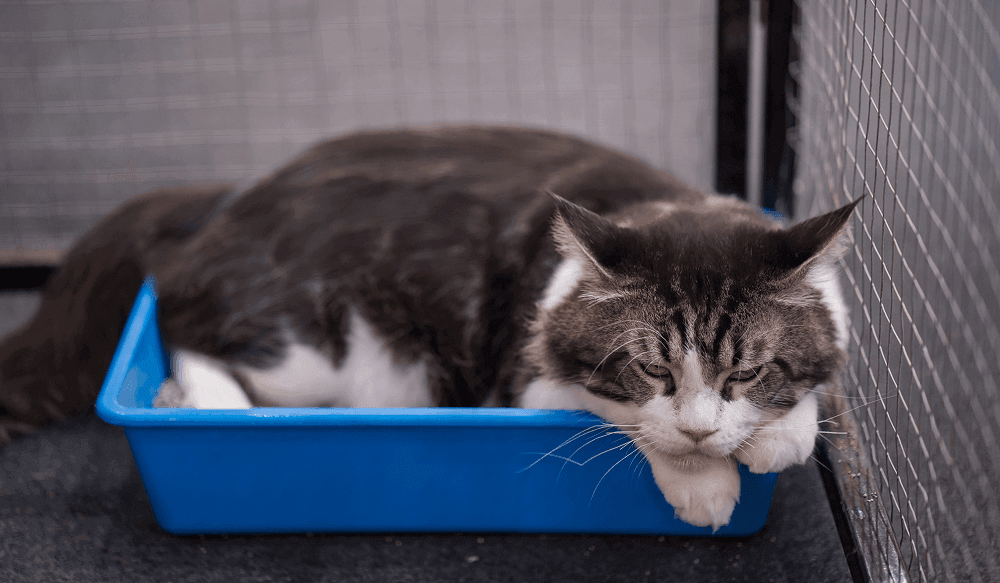
Understanding Feline Lower Urinary Tract Disease (FLUTD)
FLUTD is an umbrella term covering several conditions affecting the bladder and urethra in cats, including bladder inflammation (cystitis), bladder stones, and urethral blockages. Stress is a significant contributing factor in many cases — feline idiopathic cystitis, the most common form, is strongly linked to stress and environmental factors rather than infection alone, which surprises many cat owners.
Signs of Urinary Issues in Cats
- Straining to urinate, often mistaken by owners for constipation
- Frequent trips to the litter box with little or no urine produced
- Urinating outside the litter box, particularly on cool, smooth surfaces like tile or bathtubs
- Vocalizing or showing signs of pain while attempting to urinate
- Blood in the urine
- Excessive licking of the genital area
- Lethargy, hiding, or reduced appetite
Why Male Cats Face Higher Emergency Risk
Male cats have a narrower urethra than females, which makes them significantly more prone to complete urinary blockage — a true emergency where the cat cannot pass urine at all. A blocked cat will continue straining, often producing nothing or only a few drops, and may cry out in pain.
Without treatment, a urinary blockage leads to a dangerous buildup of toxins and electrolyte imbalances that can cause fatal cardiac complications within 24 to 48 hours. This is genuinely one of the most time-critical emergencies in cat health.
This Is an Emergency If…
Any male cat straining to urinate with little or no output should be seen immediately — not the next day, not after monitoring overnight. If your cat is crying out while attempting to urinate, has a visibly swollen or painful abdomen, or seems increasingly lethargic alongside urinary symptoms, treat it as urgent regardless of sex.
What Happens at the Vet
For a confirmed or suspected blockage, treatment is urgent and typically involves:
- Stabilization — addressing any dangerous electrolyte imbalances, since these can be immediately life-threatening
- Sedation and placement of a urinary catheter to relieve the blockage
- Hospitalization with IV fluids and monitoring for 24–72 hours as the bladder and kidneys recover
- Investigation into the underlying cause — bloodwork, urinalysis, and imaging to check for bladder stones
For cats with non-blocking cystitis, treatment focuses on pain management, increasing water intake, and stress reduction, since infection is actually a less common cause than many owners assume.
Reducing Recurrence Risk
- Increase water intake: wet food, water fountains, and multiple water stations throughout the home all help
- Reduce stress: environmental enrichment, consistent routines, and adequate resources (litter boxes, resting spots) in multi-cat homes
- Provide clean litter boxes: generally one per cat plus one extra, scooped daily
- Discuss a prescription urinary diet with your vet if your cat has a history of urinary issues
- Maintain a healthy weight, as obesity is a contributing risk factor
Conclusion
Urinary issues in cats deserve more urgency than many owners realize, particularly for male cats who can develop a complete, life-threatening blockage. Straining in the litter box with little or no urine production is never a “wait and see” situation, it warrants the same urgency as any other true emergency.