


If your dog spent the summer glued to your side — on the dock, at the park, on every errand — the sudden return to a regular routine in late summer can hit them hard. Kids heading back to school, vacations ending, and schedules tightening all at once is exactly the kind of disruption that triggers separation anxiety in dogs.
Separation anxiety isn’t bad behavior. It’s a genuine panic response, and recognizing it early makes a real difference in how manageable it becomes.
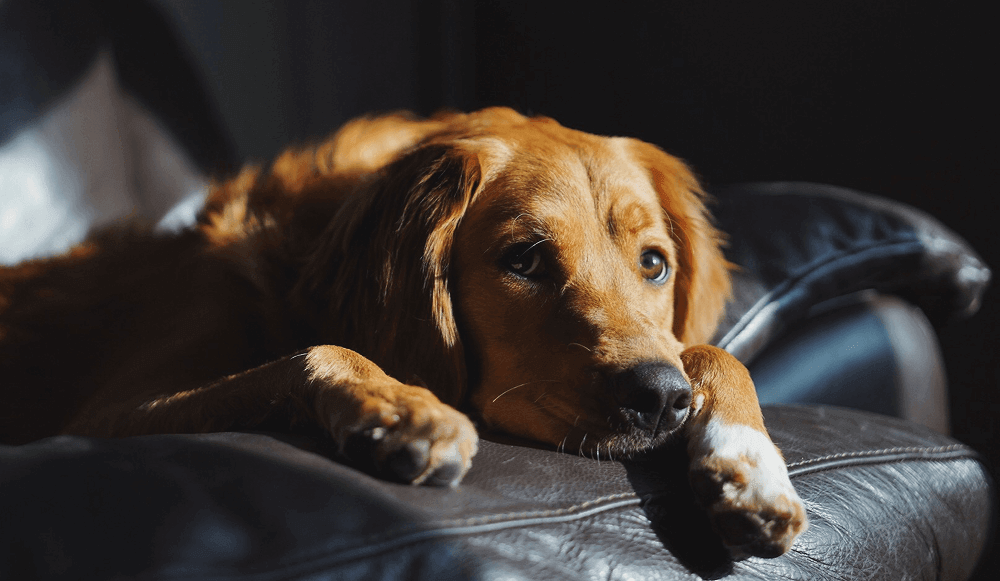
What Separation Anxiety Actually Looks Like
True separation anxiety goes beyond a dog who’s simply bored. Signs typically begin within minutes of being left alone and include:
- Excessive barking, howling, or whining that starts shortly after you leave
- Destructive behaviour focused on exit points — door frames, windows, crates
- Pacing, drooling, or panting unrelated to heat or exercise
- Accidents in the house from a fully house-trained dog
- Self-injury from attempting to escape a crate or room
The key distinguishing factor: these behaviours are tied specifically to being alone, and often start the moment they realize you’re leaving — picking up keys, putting on shoes.
Why Routine Changes Trigger It
Dogs build a strong sense of security around predictability. A summer of near-constant companionship creates a new baseline. When that baseline shifts abruptly — more hours alone, a different daily rhythm — some dogs struggle to adjust, particularly those who are naturally anxious, have been recently adopted, or have experienced a major change earlier in life.
What Actually Helps
Gradual Departures
Practice leaving for very short periods — a few minutes at first — and gradually extend the time. This rebuilds the dog’s confidence that you reliably return, rather than asking them to tolerate a full workday’s absence immediately.
Departure Cues, Decoupled
Dogs learn to associate specific cues (keys, shoes, a particular bag) with you leaving, which can trigger anxiety before you’ve even walked out the door. Practice those cues without actually leaving — pick up your keys and sit back down — to reduce the anticipatory stress response.
Enrichment Before You Go
A frozen food puzzle or long-lasting chew given right as you leave gives your dog something to focus on during the highest-stress window — the first 15–20 minutes after departure.
Exercise Timing
A dog who has had a walk or active play session before you leave is generally calmer than one who hasn’t. Physical activity reduces baseline anxiety and makes settling down more achievable.
When to Involve Your Vet
Moderate to severe separation anxiety often benefits from more than behavioural strategies alone. Your vet can discuss whether anti-anxiety medication, used short-term alongside training, is appropriate — this is common and effective, not a last resort.
When This Becomes a Vet Visit
Reach out to your vet if your dog is injuring themselves trying to escape, if anxiety is worsening despite consistent effort, or if there are sudden behaviour changes that seem disproportionate to a routine shift — sometimes underlying medical issues contribute to anxiety-like behaviour.
Conclusion
The end-of-summer routine shift is one of the most common triggers for separation anxiety in dogs, but it’s also one of the most manageable with consistent strategies. Recognizing the signs early and building gradual independence back into your dog’s routine prevents a temporary adjustment from becoming a long-term problem.
Contact Us
If your dog’s anxiety is escalating or causing self-injury, Fredericton Veterinary Walk-in & Urgent Care can help assess what’s going on.
Open noon–midnight every day.