


Heat stroke in dogs is one of the most urgent summer emergencies, and one of the most preventable. It develops quickly, it escalates faster than most owners expect, and delayed treatment dramatically worsens outcomes.
Understanding the warning signs of heat stroke in dogs, knowing what to do in the first few minutes, and getting your pet to a vet promptly gives your pet the best chance of a full recovery. This guide covers all three.
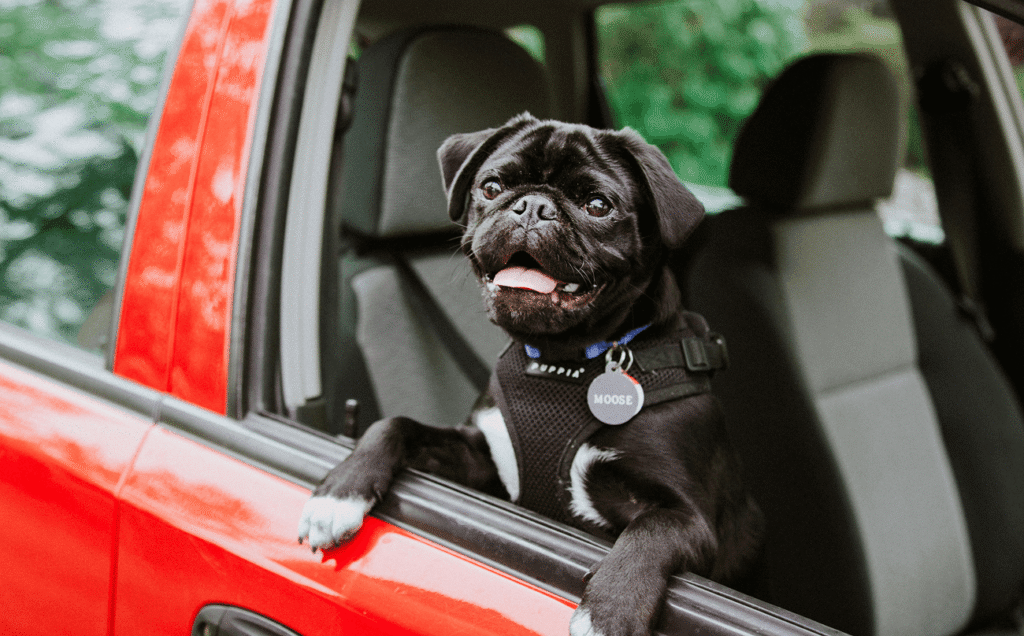
Why Dogs Overheat So Easily
Dogs regulate body temperature almost entirely through panting, which is far less efficient than the sweating mechanism humans use. In high heat and humidity, panting becomes overwhelmed quickly.
A car parked in 22°C sunshine can reach 47°C inside within an hour. On a 30°C day, interior temperatures can hit 50°C or higher in minutes. Cracking the window provides negligible relief. This is why leaving a dog in a parked car, even briefly, is one of the most common causes of preventable heat stroke in dogs.
Heat Exhaustion vs. Heat Stroke: Know the Difference
Heat Exhaustion
Heat exhaustion is the warning phase. The body is struggling but hasn’t yet failed. Signs include:
- Heavy panting and increased drooling
- Reduced energy, seeking shade or cool surfaces
- Warm to the touch skin, especially on the ear flaps
- Elevated breathing rate
This is the time to act! Move your pet to a cool space, offer water, and monitor closely. Dogs in heat exhaustion can recover with prompt intervention.
Heat Stroke
Heat stroke occurs when the body’s cooling systems are overwhelmed, and the core temperature rises to dangerous levels. Signs include:
- Extremely heavy, labored panting that won’t slow down
- Bright red, dry, or tacky gums — check by pressing a finger on the gum; color should return within two seconds
- Vomiting or diarrhea, sometimes bloody.
- Disorientation, stumbling, or collapse
- Seizures and behavior changes in severe cases
Heat stroke is a medical emergency. Do not wait to see if your dog improves on their own.
First Aid for Heat Stroke: Cool Them Down, Then Go
These steps are for the minutes before you reach a vet — not a replacement for veterinary care:
- Move your dog to a cool area immediately — indoors with air conditioning is ideal.
- Hose off with cool water or apply cool water to the paw pads, groin, armpits, and neck — focus on these areas where blood vessels are close to the surface
- A wet, cold towel over the body is okay for the drive to the vet — but remove it before it starts to trap heat, which happens as the towel warms up.
- Offer small amounts of cool water if your dog is conscious and can swallow safely — do not force water.
- Drive to the vet immediately — do not wait to see if they’re improving.
Go to the Vet Even If They Seem to Recover
This is critical: take your dog to a vet even if they appear to be recovering after your first aid. Heat stroke causes internal damage to the kidneys, liver, brain, and clotting system that may not be immediately visible. A dog that seems to “bounce back” can deteriorate significantly within hours if internal organ damage isn’t treated.
Highest-Risk Dogs
All dogs are vulnerable to heat stroke, but these groups face significantly higher risk:
- Brachycephalic (flat-faced) breeds — Bulldogs, French Bulldogs, Pugs, Boston Terriers, and Persian cats have compromised airways and overheat far more rapidly than other dogs.
- Older dogs and puppies
- Dogs that are overweight
- Dogs with cardiovascular or respiratory conditions
- Dark-coloured and thick-coated breeds absorb more heat, though never shave a double-coated breed, as the undercoat actually provides insulation against heat.
Prevention: Simple Steps That Make a Big Difference
- Walk during early morning or evening — midday pavement in direct sun can reach temperatures that burn paw pads within 60 seconds.
- Apply the five-second pavement test: place the back of your hand on the pavement; if you can’t hold it for five seconds, it’s too hot for your dog’s paws.
- Always bring water and take shade breaks on longer outings.
- Never leave pets in parked cars — not even for a few minutes.
- Provide access to shade and cool water at all times for dogs that spend time outside.
Heat stroke in dogs is a genuine summer emergency. One that progresses quickly and can worsen without treatment. Knowing the difference between heat exhaustion and heat stroke, acting decisively with first aid, and getting your dog to a vet promptly gives your dog the best possible outcome.
If your dog is showing signs of heat stroke, start first aid and get to us immediately
We are open from noon until midnight every day. Text 506-777-1235 on your way for same-day appointment.