


Your dog saw a porcupine. Your dog, despite approximately zero prior successes in this area, decided to investigate. The porcupine did what porcupines do. And now you’re here.
Porcupine quill encounters are a very real, very common summer emergency in New Brunswick, and one that almost always requires a vet visit. The most important thing you can do in the next few minutes is resist the instinct to pull the quills out yourself.
Here’s why that matters, and exactly what to do instead.
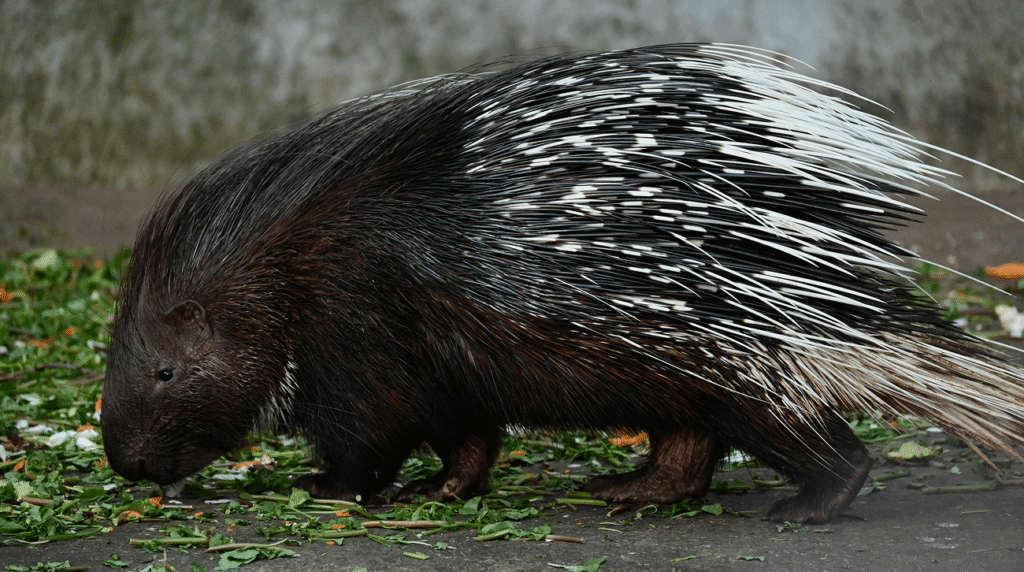
Why You Should Never Remove Porcupine Quills at Home
This is the single most critical piece of information in this article: do not attempt to remove porcupine quills from your dog at home.
Quills have microscopic backward-facing barbs that cause them to work deeper into tissue with every movement. A quill that appears near the surface may already be several centimeters in. When dogs move, thrash, or even just walk normally, quills continue to migrate — sometimes into joints, the chest cavity, or organs. Quills that are broken during amateur removal attempts leave fragments that abscess and cause chronic, painful infections.
Additionally, the process is so painful that most dogs require sedation to be properly examined. Without sedation, a dog in pain may bite; examination is incomplete; and quill removal is neither thorough nor safe.
What to Do Immediately After a Porcupine Encounter
- Keep your dog as calm and still as possible — movement drives quills deeper.
- Do not let your dog paw at their face or rub against surfaces.
- Put an e-collar (cone) on your dog if you have one.
- Do not let your dog chew the quills — swallowed quills can cause internal injury.
- Head to your nearest vet or urgent care clinic promptly
This is not a “monitor overnight and see how it looks” situation. The sooner quills are removed, the better. Every hour they are in place, they work deeper.
What Happens at the Vet
Your dog will be sedated or given appropriate pain control so the examination and removal can be done safely and completely. The vet will:
- Check inside the mouth, between the teeth, and under the tongue — areas where quills are easily missed.
- Remove each quill individually, grasping close to the skin and pulling in line with the barb.
- Assess for any broken quills or migration concerns.
- X-ray and/or ultrasound if quill migration is suspected
Your dog will likely go home with antibiotics to prevent abscess formation and pain medication for recovery. You’ll be advised to monitor the quill sites over the following one to two weeks for any signs of swelling or discharge, which may indicate a retained fragment.
What If There Are Only a Few Quills?
Even one or two quills require professional removal. There is no “just a few” with porcupine quills — the risk of migration, breakage, and abscess is the same regardless of quantity. A single quill that migrates to an internal location can cause a serious, costly problem weeks or months later.
Prevention and Recurring Encounters
Some dogs learn from the experience. Many do not.
For dogs in areas with regular porcupine activity, the most effective prevention is to keep them on a leash in wooded areas, particularly at dusk and dawn, when porcupines are most active. A solid, reliable recall command is worth investing in — a dog that comes back when called has a significant advantage over one that doesn’t.
If your dog is a repeat offender, talk to your vet about whether the encounters are frequent enough to warrant any additional management strategy.
Porcupine quills in dogs always require a vet visit. The temptation to pull them out at home is understandable, but the barbed structure of quills makes home removal both ineffective and potentially dangerous. Keep your dog calm, get to a vet as soon as possible, and trust the process. Most dogs recover quickly and fully with prompt treatment.
Porcupine quill removal requires sedation and professional technique
We handle urgent procedures. Call 506-777-1235 on your way in so we can prepare. Open from noon until midnight, 7 days a week.